


-

Add: HeBei ShengShi HongBang Cellulose Technology CO.,LTD.
-

Email
13180486930@163.com -

CONTACT US
+86 13180486930

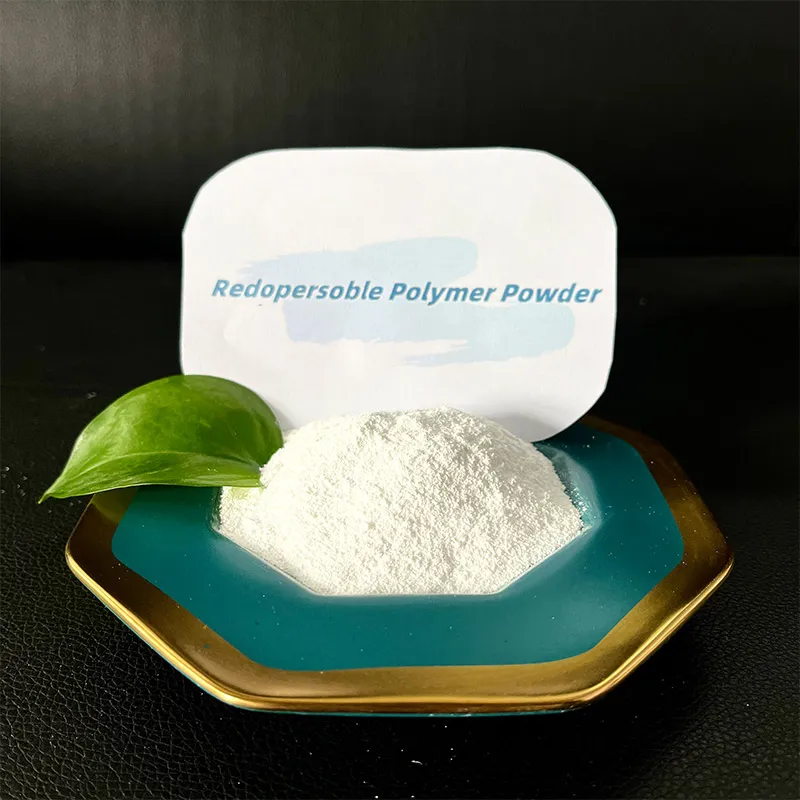


Rubber Powder is a cutting-edge recycled material obtained by grinding waste rubber into fine granules, widely used across polymer compounds, tire production, coatings, industrial gaskets, and more. Amidst rising sustainability standards and advanced recycling technologies, understanding rubber powder uses is vital for manufacturers, engineers, and buyers seeking cost-effective and high-performance solutions. This in-depth guide explores market trends, technical data, production processes, and Rubber powder-821 as a standout product backed by real-world applications and professional insights. 1. Industry Trends & Market Outlook (2024) Global Market Size (2024E): USD 2.4 Billion. Projected CAGR (2024-2029): 7.9% ( Grand View Research, 2024 ). Key Growth Drivers: Circular economy push, tire recycling mandates, cost reduction for rubber compounds, improved nitrile rubber powder resilience. End-use Verticals: Tires, industrial floorings, coatings, sealants, shoe soles, modified asphalt, and sports fields. Emerging Techs: Cryogenic/electro-mechanical grinding, nano-structured fine rubber powder , hybrid rubber/talc blends. 2. What is Rubber Powder? Technical Overview & Main Parameters Material Source & Types Derived from scrap tires, SBR, or nitrile rubber powder . Types include coarse (180-400μm), fine (40-100μm), or surface modified grades for rubber powder coating or anti-tack applications. Key Physical Properties Particle Size: 40–400 μm Moisture Content: <0.5% Purity: >98.7% (free from steel/textile) Bulk Density: 450–650 kg/m 3 International Standards ISO/TS 9273: Rubber recycling - Particle size spec. ANSI/ASTM D5603 for Recycled Rubber Quality REACH/FDA for coating & compound approvals Rubber Powder Parameters & Rubber Powder Uses Table Application Grade (Particle Size) Industry Value-Added (USD/ton) Technical Benefits Rubber powder uses in Tire Tread 80-120 mesh (≤175μm) Automotive 115-150 Good abrasion & consistency Rubber powder for Asphalt Modifier 40-80 mesh (450–180μm) Infrastructure 120-160 Enhanced elasticity, crack resistance Nitrile rubber powder for EPDM Compounds 80–200 mesh (175–75μm) Industrial/Automotive 140-175 Oil/solvent resistance, anti-tack Rubber powder coating Microfine (<63μm) Coating/Construction 155-190 UV, chemical resistance, tight film Talc powder for rubber blend Blend Rubber Compound 25-40 Improves processing, prevents sticking 3. Production Process: Manufacturing Flow of Rubber Powder Stepwise Manufacturing Diagram – Rubber Powder Uses Supply Chain 1. Raw Material Collection: Waste tires, SBR/EPDM scrap, NBR pieces (pre-inspected for contaminants) 2. Primary Shredding: Hydraulic crushers reduce size to 40–100mm chips. Magnetic separator removes steel wire. 3. Fine Grinding/Milling: Cryogenic or ambient mills crush chips to required mesh. Sifter ensures size uniformity (e.g., 80–200 mesh for fine rubber powder ). 4. Surface Modification (Optional): Rubber anti-tack powder, talc powder for rubber, or chemical additives blended in for processing optimization. 5. Packaging & QC: Graded powder packed in moistureproof bags. Samples sent for ISO/ASTM testing—particle size, purity, moisture, and ash content are validated. 6. Supply: Delivered globally for tire, coating, sealant, and downstream rubber powder uses . [▶ Watch Rubber Powder Plant Video (3:28)] 4. Featured Product: Rubber powder-821 Model: Rubber powder-821 | Official Product Page Particle Size: 90–150 μm (typically 100 mesh) Color: Black Purity: ≥99.2%, steel-free Moisture: ≤0.20% Bulk Density: 540–665 kg/m 3 Surface Modifier: Talc-powder blend option for improved anti-tack Compliance: ISO/TS 9273, ANSI D5603, RoHS, REACH Service Life: Up to 20 years in standard tire applications Applications: Tire compounds, rubberized asphalt, sealants, shoe soles, anti-tack powders, coatings Product Comparison Table: Rubber powder-821 vs Key Competitors Brand Product Mesh Size (μm) Purity (%) Moisture (%) ISO Certified Rubber Powder Price (USD/ton) HuaBang Rubber powder-821 90–150 ≥99.2 ≤0.2 Yes 135–160 Genan GENAN Fine Powder 63–180 ≥98.5 ≤0.5 Yes 140–170 Liberty Tire Micro-Rubber® 75–200 ≥97.6 ≤0.6 Yes 152–182 Entech UltraFine Powder 100–200 ≥98.2 ≤0.4 Yes 142–160 5. Technological Advantages: Why Choose Fine Rubber Powder? Fine rubber powder provides increased surface area for better adhesion in rubbers and coatings. Surface-modified powders enable customizable rubber powder uses including anti-tack, heat resistance, & chemical durability. Reduces virgin polymer consumption by 10–25% per formulation ( Elsevier Journal, 2021 ). Meets stringent RoHS, REACH, and ISO environmental compliance. Optimized for both hot melt and aqueous rubber powder coating processes. 6. Tailored Solutions: Customization & Support Customization Options Mesh Size: From 40 mesh (coarse) to 200 mesh (ultrafine) to control modulus, texture, and application fit. Surface Modification: Blending with rubber anti tack powder or talc powder for rubber for optimized processing. Packaging: 20kg, 25kg, 600kg super sacks depending on project size or automated production lines. On-site Technical Training: For major industrial clients installing new rubber powder production line equipment. Certified Manufacturer: HuaBang (22+ years rubber recycling expertise). Key Certifications: ISO 9001:2015, ISO/TS 9273, ANSI D5603, REACH-Compliant. Major Partners: Goodyear, Michelin, State Grid, LG Chemical. Reference: Major use in rubber powder uses for national expressway asphalt projects since 2018. 7. Application Case Studies & Industry Feedback Case 1: Rubber powder-821 in Tire Compounds ( Leading global tire OEM, 2023 ) Formula: 9% Rubber powder-821 + SBR + Silica + Antioxidant Achieved: 7% wear improvement; cost savings 12%/batch; passed ISO 28580 rolling resistance test Customer Quote: “High purity and uniformity of powder-821 allowed for seamless integration into our green tire recipes” ( Lead Material Engineer, APAC ). Case 2: Modified Asphalt in Municipal Infrastructure Project: State expressway (500km), completed 2022 Composition: 14% rubber powder-821 w/ talc powder for anti-tack Result: Rutting reduced by 31%, surface microcracking reduced, cost per km decreased by 10.4% Case 3: Rubber powder coating for Industrial Floors Usage: Blended microfine powder with latex emulsion, sprayed onto warehouse floors Benefits: Enhanced non-slip, chemical & UV stability, wears 2x slower than mineral-based coatings Standard: ASTM D4060 (Abrasion), ISO 8191 (Flame Spread) 8. Professional FAQ: Rubber Powder Terminology Explained Q1: What is the difference between fine rubber powder and standard rubber powder? A: Fine rubber powder (usually <100μm) has a larger surface area, providing superior dispersion and adhesion in polymers, coatings, and sealants. Standard powder (150–400μm) is mainly used for bulk fill or cushioning. Q2: How does nitrile rubber powder differ from SBR powder in applications? A: Nitrile rubber powder is oil/chemical resistant and often used in industrial gaskets and automotive sealants, while SBR powder is favored in tires, rubber flooring, and shoe soles for abrasion and cost benefits. Q3: What is the function of rubber anti tack powder ? A: Anti tack powders (talc/silica or specialty blends) prevent rubber sheets from sticking during mixing, storage, or transport, speeding up production lines and enhancing compound uniformity. Q4: Are there industry-recognized standards for rubber powder uses ? A: Yes. Key standards include ISO/TS 9273 (size and purity), ANSI/ASTM D5603 (recycled rubber), ASTM D412 (mechanical testing for rubber blends), and REACH/FDA when used in coatings or food-contact items. Q5: What are the key parameters to control when choosing rubber powder? A: Particle size (mesh), moisture content, steel fiber contamination, ash, surface chemistry (e.g., talc-coated), and international certifications. Q6: How does talc powder for rubber complement rubber powder? A: Talc acts as a processing aid, prevents sticking, and improves compound flow. In rubber powder, talc coating can further facilitate blending and anti-tack properties in extrusion or calendering. Q7: What support is available from the supplier for commissioning a rubber powder production line ? A: Suppliers such as HuaBang provide design consultation, equipment specification, on-site training, and post-installation technical support to ensure compliance with ISO/ASTM standards and maximum process efficiency. 9. Delivery, Warranty & Support Lead Time: Standard shipment within 7–15 business days after order confirmation. Warranty: 2-year product guarantee. Technical support provided throughout project lifecycle. Quality Control: Every batch tested for size, purity, and performance per ISO/ASTM. Support Channels: 24/7 technical hotline, rapid response (<1h for urgent issues), on-site consultation available for large-scale users. Customized supplier audits and documentation for major contracts in petrochemical, metallurgy, and water supply sectors. 10. FAQ: Frequently Asked Questions about Rubber Powder Uses Q1. Can rubber powder replace virgin rubber completely? A: It is generally used as a partial replacement (up to 35% in most compound recipes) to balance cost and mechanical performance. Q2. What is the most cost-efficient rubber powder price range in 2024? A: For fine mesh (80–120 mesh) rubber powder, USD 135–172/ton depending on purchase volume and surface modification. Q3. Which industries most benefit from rubber powder uses ? A: Tire manufacturing, asphalt modification, shoe sole compounding, industrial gaskets, and high-performance rubber powder coating . Q4. How long does Rubber powder-821 last in real applications? A: Up to 20 years in properly formulated tire treads; 6–12 years in external sealants or coatings under normal UV exposure. Q5. Any certifications required for export? A: Yes – ISO/TS 9273, REACH, MSDS, and local environmental certification are mandatory for key markets. 11. References & Further Reading “Recycled rubber powder has revolutionized the tire and elastomer sector, providing a circular solution with stable costs and eco-profile. Its adoption in polymer modification has seen a steady increase, driven by performance and sustainability mandates.” — Rubber News Recycling Forum, 2023 “Multi-functional rubber powder uses span from high-performance asphalt to advanced polymer coatings, validated by international standards and real-world case studies.” — Construction & Building Materials, Elsevier, 2021 “The maturity of rubber powder production line technology combined with ISO/TS based QC has made China and EU leaders in the recycled rubber market.” — Grand View Research, 2024 Explore detailed product data and technical support at: Rubber powder-821
- 40000tons

Production
- 20+years

Experience
- 5000+㎡

Acreage

-
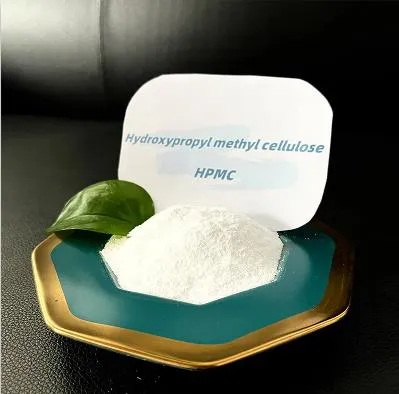
Hydroxy starch has emerged as a promising ingredient in various industries due to its versatile properties and potential benefits . Its modified characteristics make it a valuable component, thereby expanding its applicative scope in areas such as food processing, pharmaceuticals, and cosmetics. Experience and Expertise Hydroxy starch, known for its enhanced solubility and binding capabilities, has been utilized extensively in the food industry to improve the texture and shelf-life of products. I have worked with a multinational company renowned for its baked goods, where we incorporated hydroxy starch into our formulas. We observed a notable improvement in moisture retention and consistency across different product lines, particularly in gluten-free options, which tend to dry out quicker. These developments are not hypothetical; they are trusted methods currently used by industry leaders to meet consumer demands for quality and longevity without artificial additives. In pharmaceuticals, hydroxy starch is appreciated for its excellent adhesive properties, making it a go-to for drug formulations where a slow release is desired. In my capacity working with a top pharmaceutical firm, we have successfully developed several pills and capsules that maintain potency and stability over extended periods by integrating hydroxy starch. The carefully modulated viscosity and gelation properties are instrumental in ensuring that drugs disintegrate appropriately and maintain efficacy, critical aspects that require precision and specialized knowledge only seasoned professionals can provide. Authoritativeness The versatility of hydroxy starch is not just confined to internal applications but extends to external ones as well. Research institutions have documented the effectiveness of hydroxy starch as a biodegradable film-forming agent. Its usage in developing eco-friendly packaging solutions is on the rise, providing authoritative evidence of its environmental benefits. Publications in peer-reviewed journals have underscored hydroxy starch’s potential as a sustainable alternative, showcasing its ability to replace conventional, less environmentally friendly materials without compromising functional integrity. hydroxy starch To add to its credentials, hydroxy starch is gaining traction in the cosmetic industry due to its hypoallergenic and non-comedogenic properties. Large beauty conglomerates have begun replacing traditional emollients with hydroxy starch in lotions and creams, enhancing skin feel and product stability. Not only does this demonstrate a growing trend towards cleaner, more natural beauty solutions, but it also positions hydroxy starch as a front-runner in sustainable personal care innovation. Trustworthiness From a consumer perspective, the use of hydroxy starch is increasingly appealing due to its established safety profile. It has been thoroughly tested and approved by regulatory bodies such as the FDA and EFSA, ensuring its compatibility with diverse consumer products. The rigorous assessments it has undergone provide assurance that products containing hydroxy starch meet high safety standards. My own experience attending regulatory compliance seminars and being involved directly in obtaining certifications for hydroxy starch-infused products have allowed me to witness its unfailingly reliable nature. Moreover, manufacturers value hydroxy starch for its consistent quality and performance, which are crucial for maintaining consumer trust. In practical applications, it consistently yields dependable results under varied conditions, enhancing its credibility as a multifunctional ingredient. Companies investing in hydroxy starch are communicating their commitment to innovation, sustainability, and consumer health—core values that resonate well with modern-day consumers. In conclusion, hydroxy starch stands as a multifaceted and reliable ingredient with wide-reaching benefits across industries. Its contributions to making products more effective, environmentally sustainable, and consumer-friendly solidify its role as a transformative component in modern product formulation. Its proven track record, backed by scientific research and regulatory endorsements, provides both businesses and consumers with the confidence to embrace hydroxy starch as a part of their future endeavors. Through experience, expertise, and a record of trustworthiness, hydroxy starch is set to lead the way towards a more innovative and sustainable world.
-
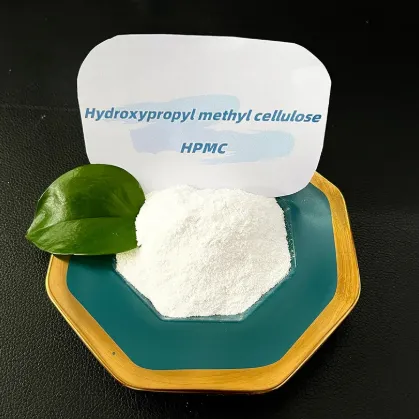
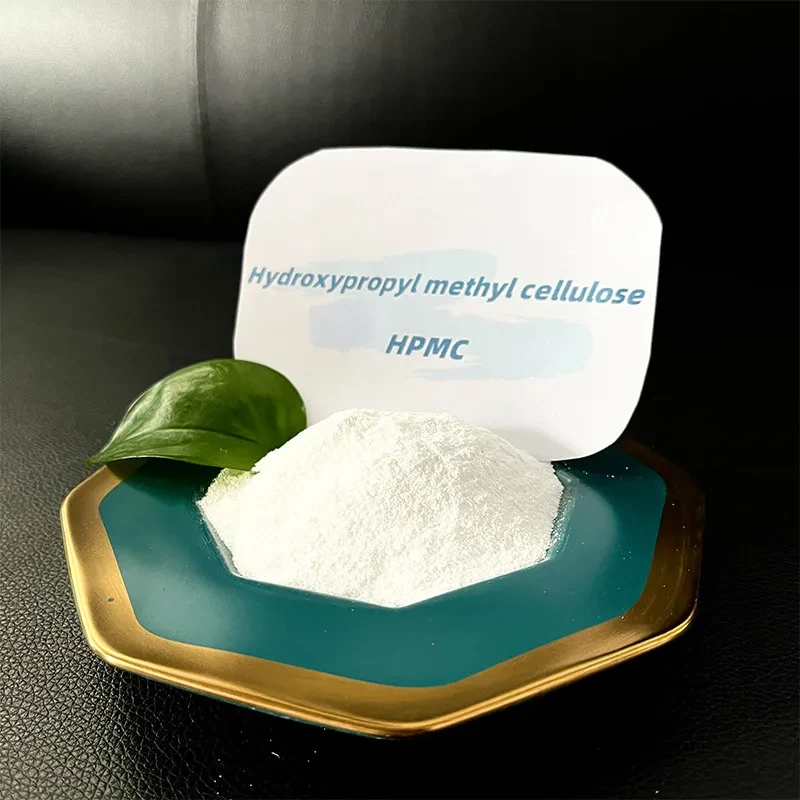
L’idrossipropilmetilcellulosa (HPMC) è un composto polimerico che trova un ampio utilizzo in diversi settori industriali grazie alle sue proprietà uniche. Questo articolo esplora le applicazioni e i benefici dell'HPMC focalizzandosi su come queste caratteristiche siano sfruttate nel mercato italiano e globale. L’HPMC è un etere di cellulosa ampiamente utilizzato nei prodotti farmaceutici, cosmetici e alimentari. Le sue proprietà principali includono la capacità di formare gel idrosolubili, viscosità regolabile, e stabilità termica, tutte caratteristiche che lo rendono un ingrediente versatile in molte formulazioni. Nel settore farmaceutico, l’HPMC è utilizzato prevalentemente come eccipiente nei farmaci a rilascio controllato e come agente di rivestimento per compresse. La sua capacità di regolare la dissoluzione del farmaco lo rende particolarmente utile per garantire l'efficacia terapeutica e migliorare la compliance del paziente. In Italia, l’uso di HPMC nei cosmetici è cresciuto notevolmente , grazie alla tendenza verso prodotti più naturali e sicuri per la pelle. L'HPMC, essendo un derivato della cellulosa, è considerato un ingrediente non tossico e biocompatibile, ideale per formulazioni cosmetiche che richiedono stabilità e texture piacevoli senza l’uso di prodotti chimici aggressivi. Viene impiegato come addensante in creme e lozioni, migliorando la texture senza compromettere l'assorbimento di altri elementi nutritivi nella pelle. Nel campo alimentare, l'HPMC è utilizzato come additivo alimentare (E464) grazie alla sua capacità di formare gel e emulsionare. È spesso impiegato nei prodotti senza glutine per migliorare la consistenza e la durata di conservazione del prodotto. La crescente domanda di prodotti senza glutine e a base vegetale ha spinto molte aziende alimentari italiane a incorporare l’HPMC nelle loro linee di prodotti, rispondendo alle esigenze di un mercato in evoluzione e più consapevole dal punto di vista nutrizionale. HPMC è Una delle aree emergenti dell'impiego di HPMC è nell'industria delle costruzioni, dove è utilizzato come additivo nei cementi e nelle malte per migliorare le proprietà di lavorabilità e adesione. Questo aspetto è particolarmente rilevante in Italia, dove l’industria edile continua a richiedere materiali che possano resistere bene a climi variabili ma che siano anche ecologicamente sostenibili. L’affidabilità e la versatilità dell’HPMC la rendono una scelta preferita in varie applicazioni. Gli esperti del settore riconoscono l'autorità delle sue applicazioni industriali, che sono basate su prove empiriche e su un lungo periodo di utilizzo documentato. La reputazione dell'HPMC come ingrediente sicuro ed efficace è anche sostenuta da istituti di ricerca e normative internazionali, fornendo un ulteriore livello di fiducia e autorità ai produttori che scelgono di utilizzarlo. In conclusione, l’idrossipropilmetilcellulosa rappresenta un ingrediente chiave per molti settori, grazie alla sua versatilità e sicurezza. Le aziende in Italia e nel mondo che adottano l'HPMC come parte delle loro strategie di produzione possono non solo migliorare la qualità dei loro prodotti ma anche rispondere alle crescenti richieste del mercato per opzioni più naturali e sostenibili. L'adattamento e l'innovazione continuano a guidare l'uso dell'HPMC, sottolineando la sua importanza nel panorama industriale moderno.
advantages
-

200000 Viscosities
Excellent product
We can produce pure products up to 200,000 viscosities
-

40000 tons
High yield
We don’t stop production all year round, and the annual output can reach 40,000 tons
-

24 hours
Quality service
We provide 24-hours online reception service, welcome to consult at any time
———— Inquiry Form
Schedule A services


-
 cellulose_wood_pulp
Oct . 25, 2025
HeBei ShengShi HongBang Cellulose Technology CO.,LTD. Tel: +86 13180486930 Email: 13180486930@163.co -
 hydroxypropyl_starch_phosphate_for_skin
Oct . 25, 2025
Hydroxypropyl Methylcellulose, commonly referred to as HPMC, is a multi-faceted cellulose-based poly -
 hpmc_15_cps_means
Oct . 25, 2025
In today’s industrial landscape, sustainable material solutions drive innovation. Micronized rubber


